
What just happened
Rubrik reported Q2 fiscal 2027 revenue of $427.3 million, representing 38% year-over-year growth. Subscription annual recurring revenue (ARR) climbed 33% to $1.66 billion, beating analyst expectations.
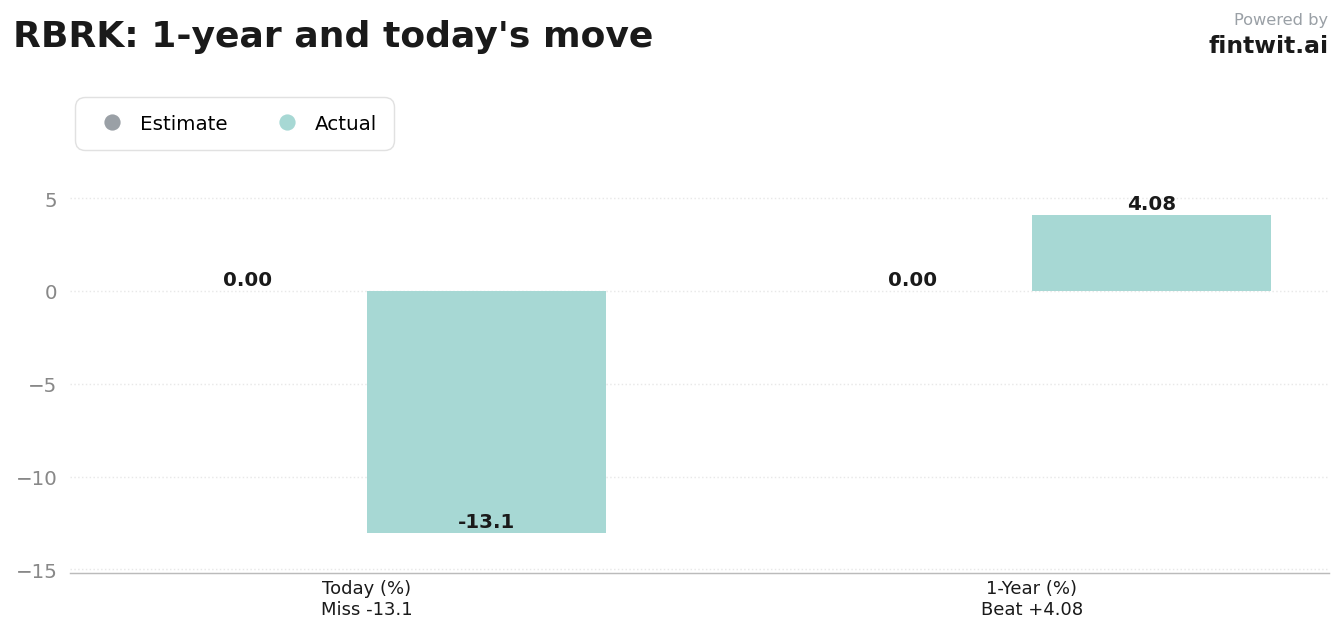
The stock had surged over 150% since its April lows, leading to significant profit-taking after the earnings print. Investors reacted to the valuation premium rather than the fundamental performance of the business.
Bull case
- Wells Fargo maintains a Buy rating with a $120.00 price target, citing strong execution and enterprise demand for cyber resilience.
- Rosenblatt raised its price target to $105.00, highlighting confidence in the company's AI-centric growth strategy.
- Jefferies increased its price target from $90.00 to $120.00, defending the growth trajectory despite recent market volatility.
- The company is scaling its Identity Resilience product line toward a $100 million ARR milestone by the end of fiscal 2027.
- Rubrik Agent Cloud adoption is accelerating as enterprise customers prioritize AI agent governance.
Bear case
- Rubrik remains unprofitable, which creates significant downside risk if growth rates decelerate in future quarters.
- The stock trades at a premium valuation of 11-13x forward sales, limiting its appeal to traditional value-oriented investors.
- The company does not pay a dividend, meaning investors are entirely reliant on capital appreciation in a volatile software market.
- Profit-taking behavior suggests that institutional investors may be rotating out of high-multiple software names after the recent 150% rally.
Fintwit's AI verdict
The quantitative model evaluates Rubrik based on its current subscription ARR growth and the strength of its enterprise sales pipeline. While the valuation remains elevated compared to legacy infrastructure peers, the underlying momentum in cyber resilience suggests a specific path forward for long-term holders.
Investors must weigh the current 13% discount against the company's ability to maintain its 38% revenue growth rate in the coming fiscal periods. The following indicator provides the model's current stance on the asset.